The Yacht: Freedom on Water
There is a particular kind of silence that surrounds true luxury — not the absence of sound, but the absence of friction. It is the feeling of arriving somewhere and discovering that everything has already been considered on your behalf,…

There is a particular kind of silence that surrounds true luxury — not the absence of sound, but the absence of friction. It is the feeling of arriving somewhere and discovering that everything has already been considered on your behalf, long before you thought to ask.
At One Heritage, every commission begins with a single, deceptively simple question: what does this person never want to think about again? The answer is rarely the same twice, and it is never found on a brief. It is found in the pauses between sentences, in the way someone describes a room they once loved, in the small refusals that reveal a taste more clearly than any list of preferences.
Attention as a discipline
The most difficult part of a private consultant’s work is not knowing what a client wants. It is knowing what they do not want — and protecting them from it without ever making the protection visible. A great stay is engineered the way a great sentence is written: every unnecessary word removed, until only the essential remains.
We think of attention as a craft with its own grammar. Where to place a pause. When to disappear. How to anticipate a need a full day before it arrives, so that its fulfilment feels less like service and more like coincidence. This is the architecture beneath everything we do — invisible, load-bearing, and absolute.
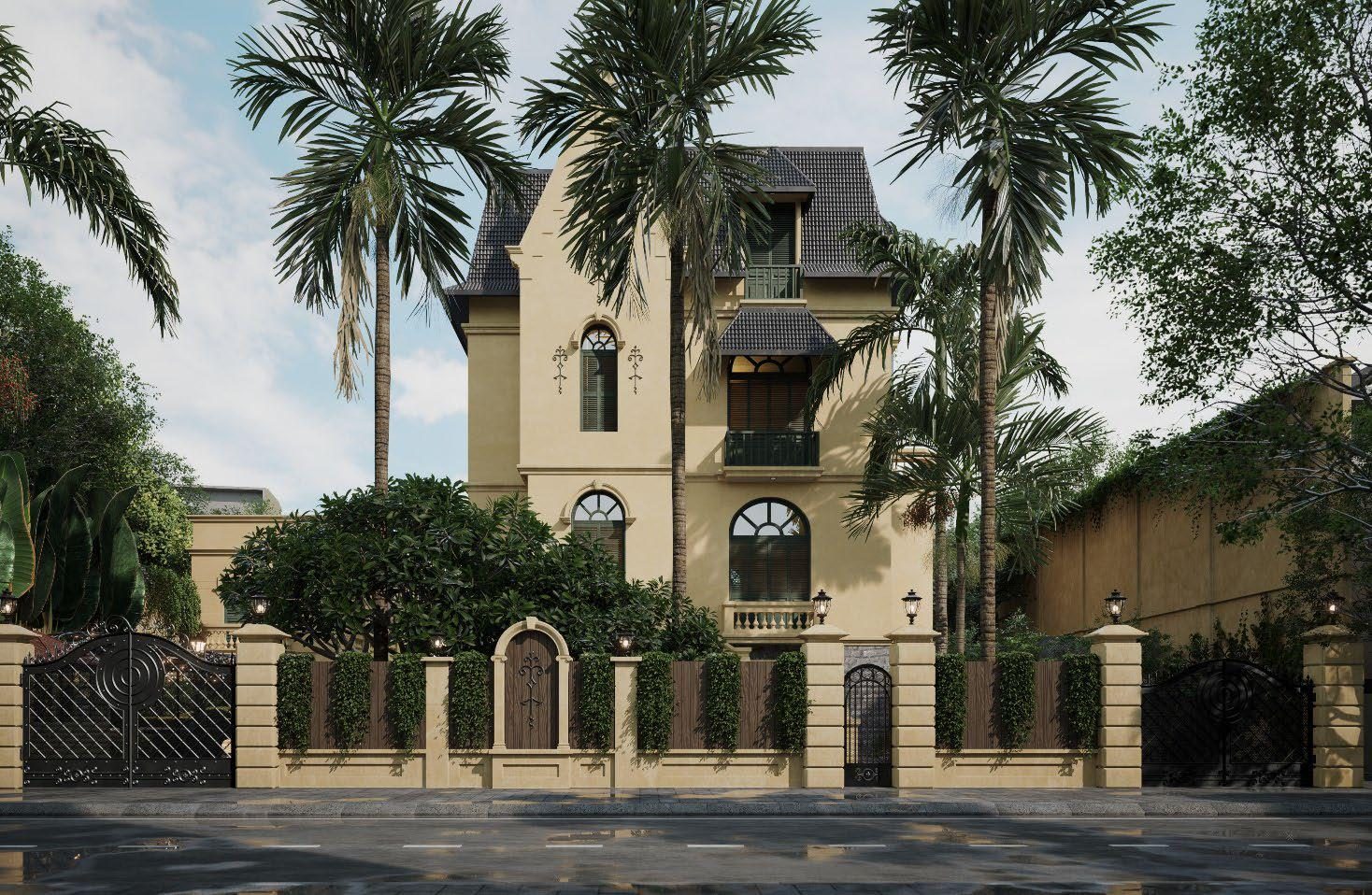
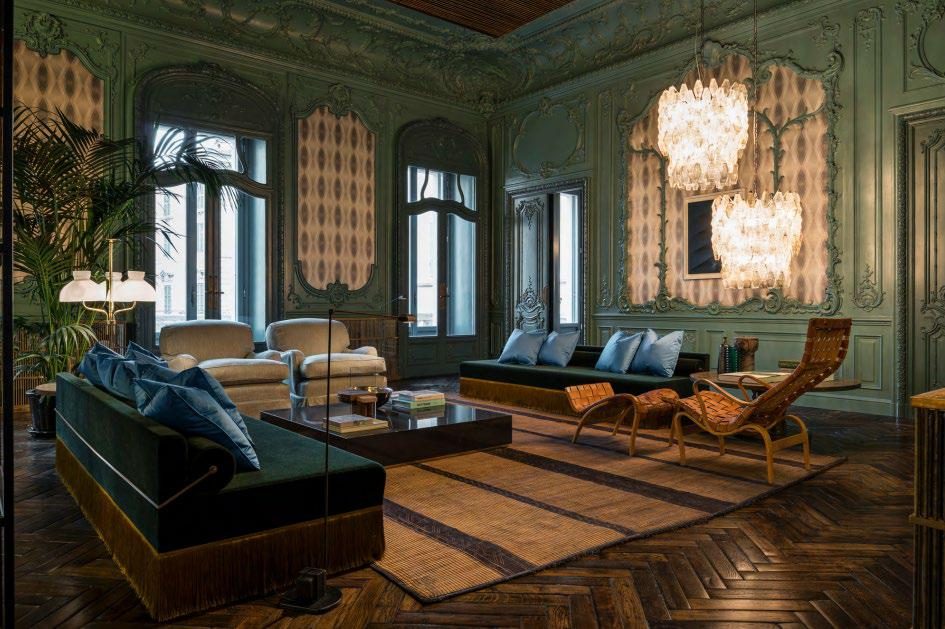
The two rooms above were photographed eleven months apart, for two clients who never met. They share almost nothing — different cities, different lives, different definitions of comfort. What they share is the feeling of having been written for one reader only.
We do not manage lifestyles. We author them — line by line, room by room, season by season.
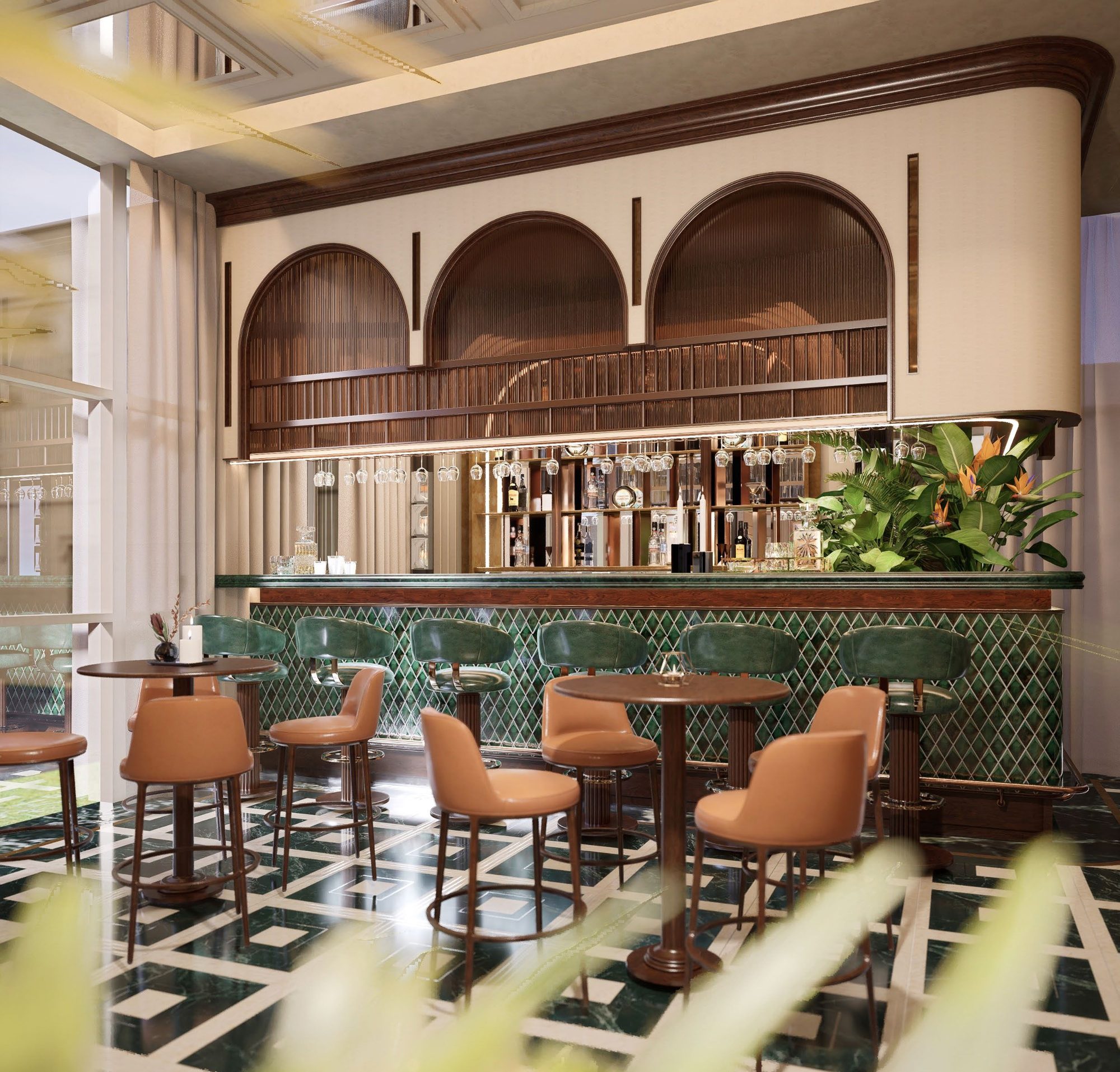
The grammar of a perfect stay
A dinner is never only a dinner. It is a sequence of decisions made hours earlier — the temperature of the room, the weight of the glassware, the precise moment the lights should soften. Our role is to make all of those decisions vanish, so the only thing our clients ever notice is that the evening felt effortless.
Effortlessness is the most expensive thing we produce. It requires a network of people who care about details no guest will ever see, and a willingness to rehearse moments that may never be remembered. That is the paradox of our trade: the better the work, the less of it you notice.
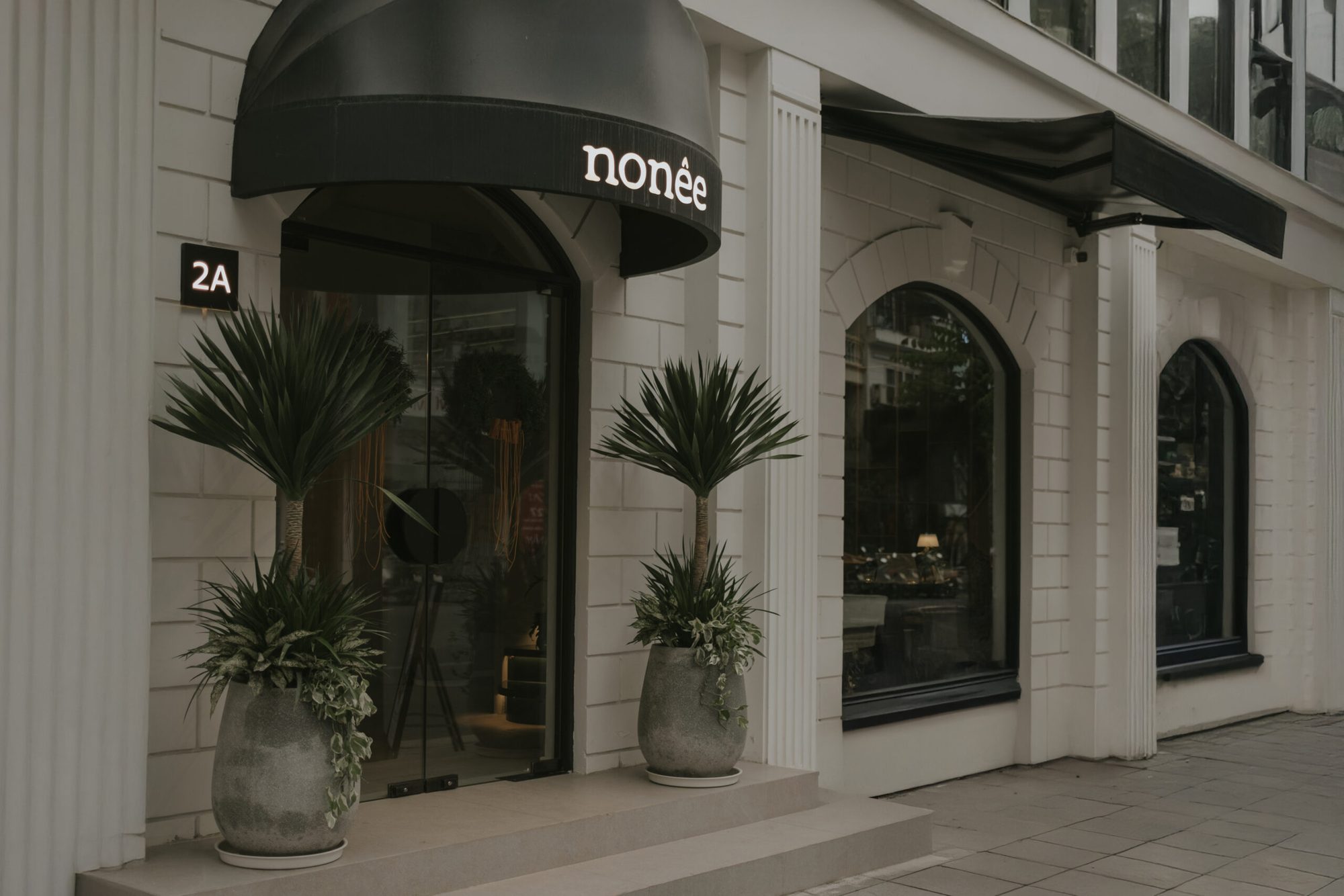
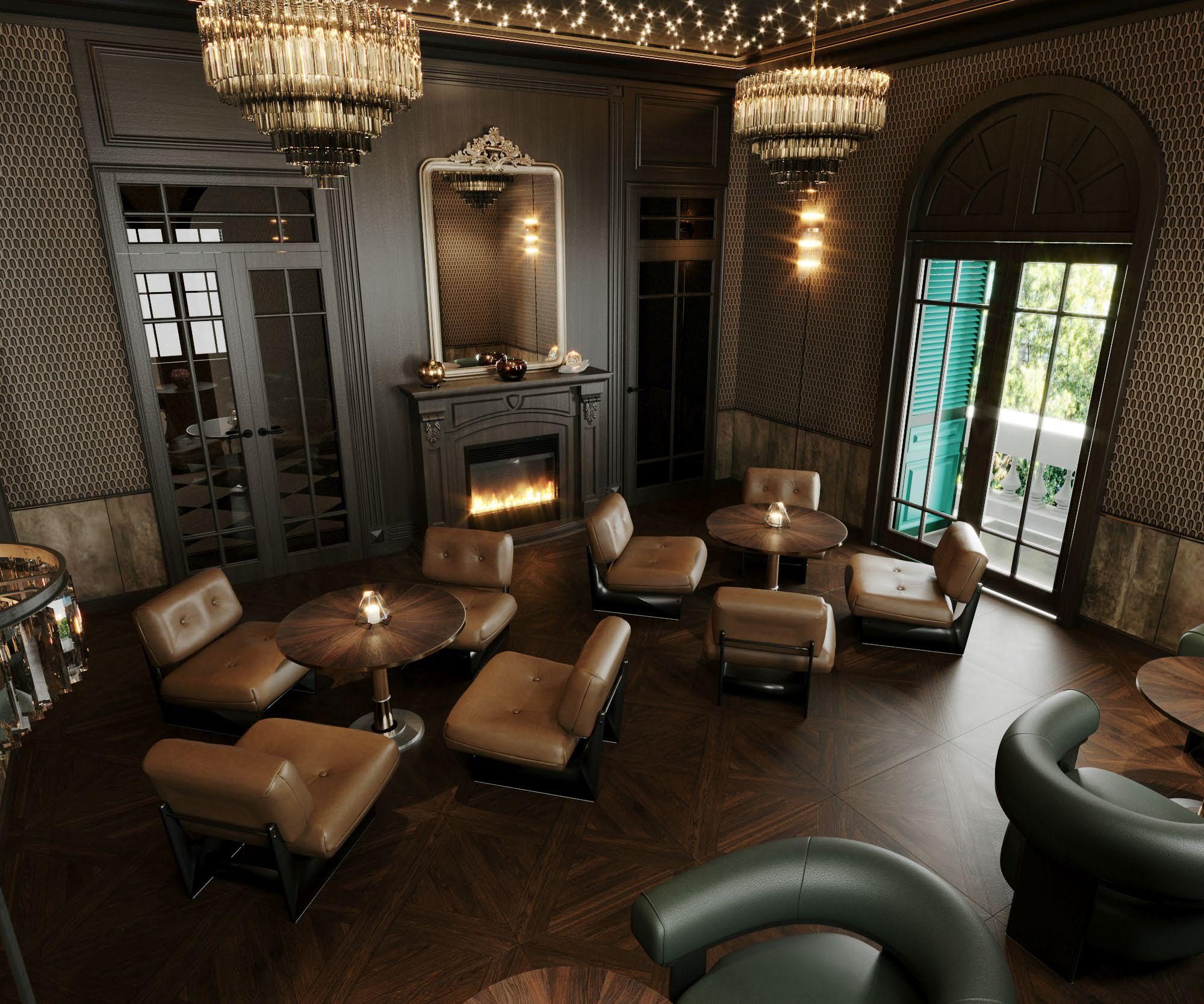
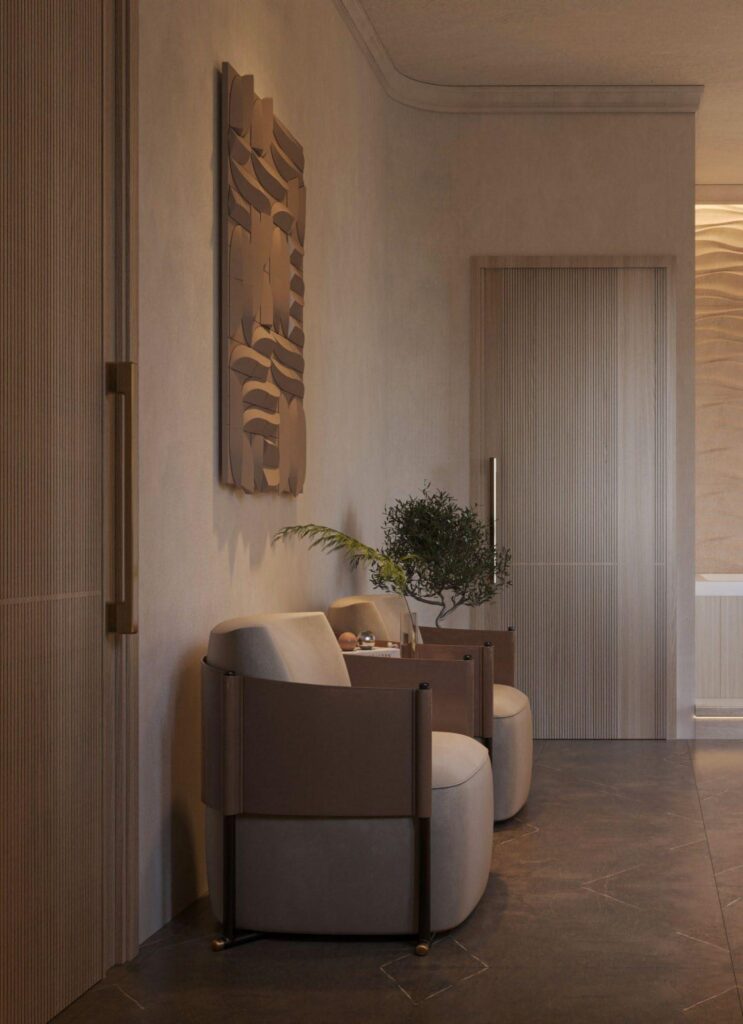
From a quiet reading corner to a stair that catches the late afternoon light, the spaces we shape are designed to reward a second glance. Nothing shouts. Everything holds.
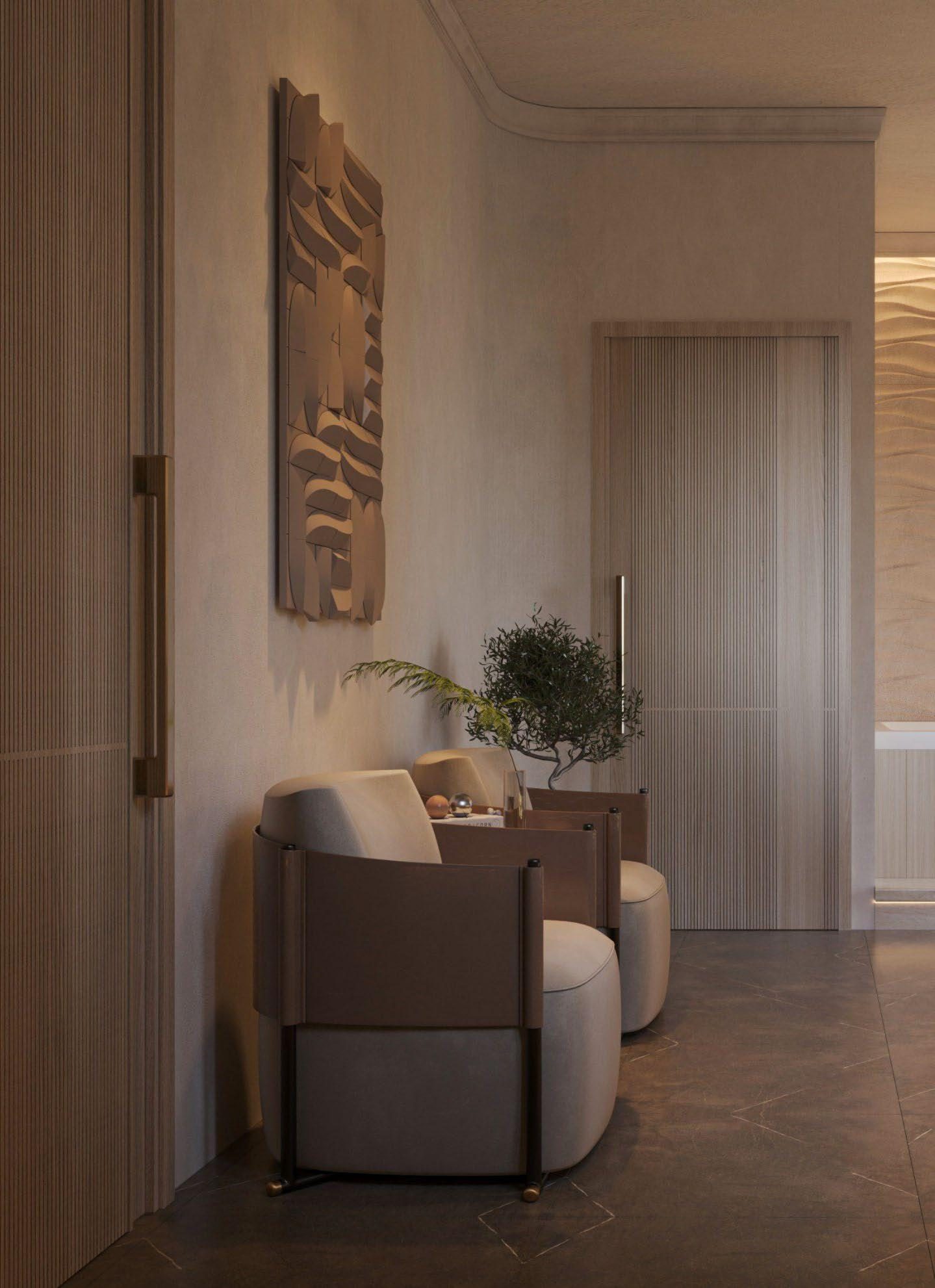
What remains
Months after a project closes, clients rarely recall the logistics — the flights rerouted, the reservations rebuilt, the small crises quietly resolved at two in the morning. What remains is a feeling: that for a stretch of time, the world arranged itself around them without being asked.
That feeling is the only deliverable we truly care about. Everything else — the spreadsheets, the suppliers, the architecture of attention — exists in its service. And when it is done well, it leaves no trace at all, except the quiet certainty that one would not have wanted it any other way.
Related Stories